Ebola Outbreak
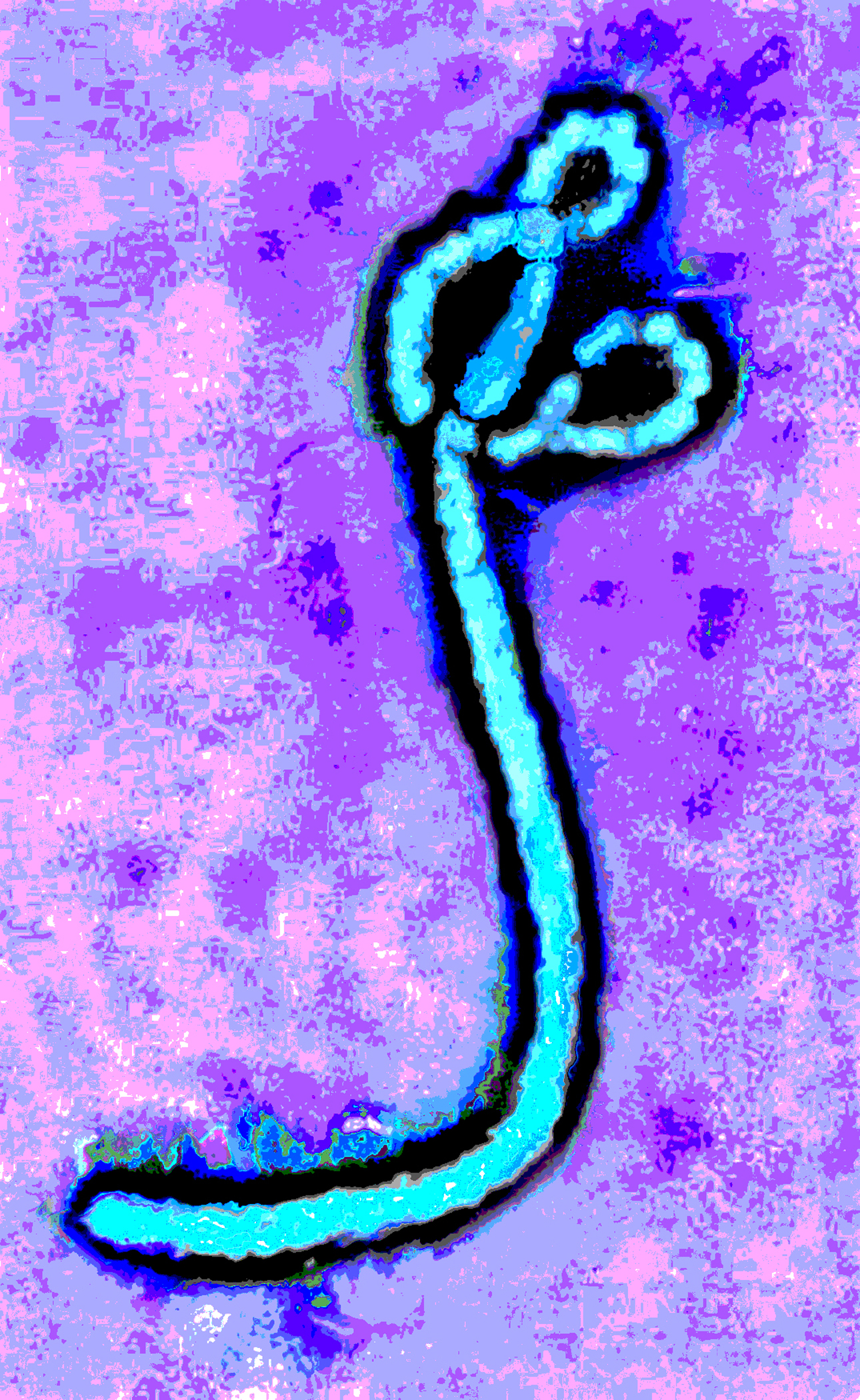
The Ebola outbreak in the Democratic Republic of Congo and Uganda, has been declared a public health emergency of international concern, by the World Health Organization (WHO).
This latest outbreak has so far killed 131 people and is challenging because it involves a rare strain of Ebola for which there is no vaccine. In addition, WHO are warning the virus may be spreading faster than previously thought. They are currently evaluating whether alternative drugs might be used to provide protection.
Ebola viruses normally infect animals, typically fruit bats, but outbreaks among humans can sometimes start when people eat or handle infected animals.
It takes two to 21 days for symptoms to appear. They come on suddenly and start like the flu, with fever, headache and tiredness.
As the disease progresses, vomiting and diarrhoea develop and it can lead to organ failure. Some, but not all, patients develop internal and external bleeding.
It spreads among humans by contact with infected bodily fluids, eg blood or vomit. Burial practices that involve direct contact with the body or body fluids of an infected person can also contribute to transmission.
Between 2014 and 2016 the disease spread to a number of countries in West Africa and beyond, including Guinea, Sierra Leone, the US, UK and Italy, claiming more than 11,000 lives.
We ask you to join us in prayer for the affected areas and the families of those who have died from the disease. We ask God for His protection over previously impacted countries, including our communities in Sierra Leone.
Fear will be spreading as memories of the 2014 -2016 outbreak are still fresh in the minds of many African people. We pray that this new outbreak will be contained as quickly as possible.
Sources include BBC News, WHO and Gov.UK
(Micrograph - an Ebola virus: Source: F A Murphy, University of Texas Medical Branch)